Featured
Restoring Your Financial Standing Following Managing Mone...
How Your First Step to The Emotional Aftermath of Debt: I...
Unknown Facts About Understanding Different AI & Automati...

The Buzz on Comparing Debt Relief Companies to Find the B...
The Real Cost of Overlooking Debt: How Professional Therapy Services Are Changing Financial Recovery
Table of Contents
- – The Growing Demand for Financial Debt Mercy So...
- – Personal bankruptcy Therapy: The Misunderstood...
- – Contrasting Your Financial Debt Relief Options
- – What Sets Nonprofit Counseling Apart
- – Warning Signs of Predacious Financial Obligati...
- – Taking the Very First Step Toward Recuperation
- – The Path Onward
Financial anxiety has actually ended up being a specifying quality of modern-day American life. With complete bank card debt going beyond $1.21 trillion and the average cardholder owing even more than $6,500, millions of people locate themselves trapped in cycles of minimal settlements and compounding interest. When credit history card passion prices float around 23%, even modest balances can swell into frustrating burdens within months.
For those drowning in the red, the concern isn't whether to look for aid-- it's finding the right type of assistance that won't make issues worse.
The Growing Demand for Financial Debt Mercy Solutions
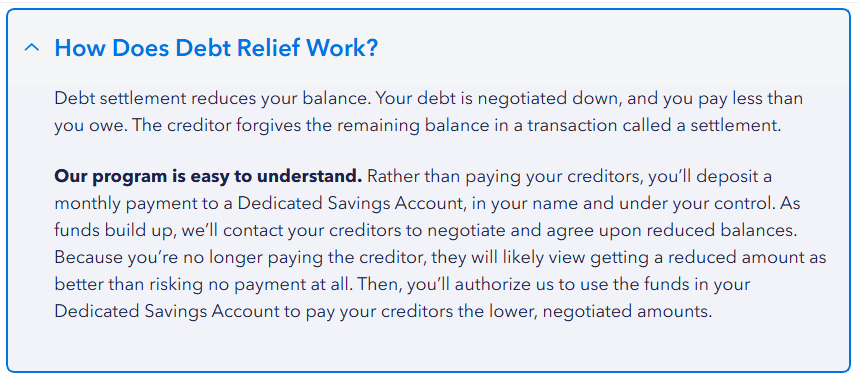
Financial obligation forgiveness has actually become among the most looked economic subjects on-line, and forever factor. The principle of resolving financial obligations for less than the sum total owed deals genuine hope to people that see no reasonable path to paying their balances in full.
The procedure commonly functions similar to this: when credit scores card accounts go overdue for 120 days or more, financial institutions usually bill off the financial debt. At this stage, they might accept decreased settlements to recoup at the very least a portion of what's owed. Successful negotiations can lower equilibriums by 30% to 50%, depending on the financial institution and your shown monetary challenge.
Debt mercy isn't cost-free money. Resolved accounts show up on credit rating reports as "" paid less than complete balance,"" which impacts your score. In addition, forgiven amounts surpassing $600 may be reported to the IRS as gross income. Comprehending these trade-offs prior to going after negotiation is important.
Personal bankruptcy Therapy: The Misunderstood Safeguard
Bankruptcy brings considerable stigma, yet it remains a reputable lawful tool made to offer overloaded people a real fresh begin. What many individuals don't understand is that federal regulation calls for 2 counseling sessions prior to and after filing-- and these sessions exist particularly to ensure you're making a notified decision.
Pre-bankruptcy credit counseling entails a comprehensive review of your earnings, financial debts, and expenses. Licensed counselors existing choices you could not have thought about, including financial obligation administration programs or challenge settlements. This isn't about dissuading personal bankruptcy; it has to do with validating it's genuinely your ideal alternative.
Post-bankruptcy borrower education and learning prepares you for financial success after discharge. You'll discover budgeting techniques, saving techniques, and credit rating restoring approaches made to avoid future monetary problems.
Organisations like APFSC deal both called for courses, with charges around $19.99 per session unless you qualify for hardship waivers. Their accredited therapists supply same-day certificates, and sessions usually run 60 to 90 mins. This availability issues when you're currently worried about financial resources.
Contrasting Your Financial Debt Relief Options
Understanding the landscape of debt relief aids you make educated choices. Each method lugs distinct advantages and downsides.
Financial Debt Monitoring Programs combine multiple unprotected debts into solitary month-to-month payments. Therapists discuss with lenders to possibly minimize interest prices without needing new finances. A lot of clients complete these programs within 3 to five years. The key benefit is paying financial debts completely while minimizing overall passion paid.
Financial obligation Negotiation discusses minimized payoff amounts, commonly 30% to 50% less than owed. This method calls for quiting payments to financial institutions while collecting negotiation funds, which damages credit ratings during the procedure. Outcomes vary based on financial institution readiness and your shown challenge.
Bankruptcy supplies court protection while getting rid of or reorganizing debts. Phase 7 sells off particular assets to release unsafe debts promptly. Phase 13 develops three-to-five-year settlement prepare for those with routine revenue. Insolvency remains on credit history records for 7 to 10 years but uses the most thorough new beginning.
Debt Counseling provides education and advice without always enrolling in official programs. Qualified therapists review your total financial photo and suggest suitable next steps, which may include any one of the above options.
What Sets Nonprofit Counseling Apart
The difference in between not-for-profit and for-profit debt relief companies matters enormously. Not-for-profit firms like those accredited by the National Structure for Credit Score Counseling (NFCC) operate under stringent honest guidelines and fee regulations. Their therapists undergo rigorous certification and should recertify every two years.
For-profit financial debt negotiation companies, alternatively, might charge costs ranging from 15% to 25% of enlisted financial debt balances. Some use hostile sales strategies and make unrealistic assurances about results. The Customer Financial Defense Bureau has documented numerous issues about predatory practices in this industry.
APFSC operates as a nonprofit therapy firm, supplying complimentary financial debt management assessments and controlled costs for recurring services. Their HUD-approved real estate counselors add value for those facing foreclosure along with general financial obligation issues. Services are offered in English, Spanish, and Portuguese, increasing access to underserved areas.
Research sustains the efficiency of not-for-profit counseling. A research study commissioned by the NFCC located that credit score therapy clients reduced revolving financial obligation by $3,600 greater than contrast groups during the 18 months following their sessions. Virtually 70% of individuals reported better finance and better economic self-confidence.
Warning Signs of Predacious Financial Obligation Alleviation Services
Not all debt alleviation business have your benefits at heart. Identifying warnings secures you from making a tight spot even worse.
Beware of companies that ensure specific results. No legitimate solution can promise exact settlement percents or timeline warranties due to the fact that outcomes depend upon specific creditors and situations.
Avoid any kind of firm requiring huge ahead of time fees prior to giving solutions. Reputable not-for-profit therapy uses cost-free first consultations, and for-profit settlement companies are lawfully prohibited from gathering fees until they successfully work out a minimum of one financial debt.
Concern any individual advising you to quit connecting with creditors completely without explaining the effects. While strategic interaction pauses occasionally support settlements, total avoidance can cause legal actions, wage garnishment, and extra damage.
Reputable companies clarify all options honestly, consisting of options that could not include their paid services. If a business pushes just one solution no matter your circumstance, seek advice somewhere else.
Taking the Very First Step Toward Recuperation
Financial healing begins with sincere assessment. Collect your latest declarations for all debts, determine your overall responsibilities, and assess your practical month-to-month payment ability. This information creates the structure for any kind of productive counseling session.
Take into consideration scheduling totally free consultations with multiple not-for-profit companies before dedicating to any kind of program. Contrast their referrals, charge frameworks, and interaction designs. The ideal therapy connection should feel helpful as opposed to pressuring.
Organisations like APFSC offer online chat, phone examinations, and extensive consumption processes designed to understand your distinct circumstance prior to advising options. Their debt monitoring calculator helps you visualise potential timelines and financial savings prior to registering.
The Path Onward
Overwhelming debt does not define your future-- yet disregarding it will. Whether financial debt mercy, insolvency counseling, or structured financial obligation monitoring makes good sense for your situation depends on aspects special to your situations.
Expert advice from licensed nonprofit counselors illuminates choices you could never ever discover separately. These solutions exist specifically to assist people like you navigate intricate financial difficulties without predative fees or unrealistic assurances.
The typical American having a hard time with financial debt waits much too long before looking for assistance, allowing passion to substance and choices to slim. Every month of hold-up prices money and expands your recuperation timeline.
Why Low-Interest Loans Are a Lifeline for Veterans Navigating Civilian LifeYour very first discussion with a qualified counselor prices nothing however could change whatever. Financial flexibility isn't booked for the fortunate-- it's offered to anyone willing to take that preliminary step towards comprehending their alternatives and committing to a reasonable plan.

Table of Contents
- – The Growing Demand for Financial Debt Mercy So...
- – Personal bankruptcy Therapy: The Misunderstood...
- – Contrasting Your Financial Debt Relief Options
- – What Sets Nonprofit Counseling Apart
- – Warning Signs of Predacious Financial Obligati...
- – Taking the Very First Step Toward Recuperation
- – The Path Onward
Latest Posts

Restoring Your Financial Standing Following Managing Money During a Long Illness: Working with Creditors Before Bills Pile Up - The Facts
How Your First Step to The Emotional Aftermath of Debt: Integrating Mental Health into Financial Counseling with APFSC can Save You Time, Stress, and Money.

Unknown Facts About Understanding Different AI & Automation in Financial Counseling: Tools You Should Know About
More
Latest Posts
Unknown Facts About Understanding Different AI & Automation in Financial Counseling: Tools You Should Know About